✅ WHAT’S INSIDE THIS GUIDE
1. Learnings about hiring culture and diversity HR specialists in Europe
Hiring HR specialists in culture and diversity is no longer a “nice to have”, it’s a direct lever for productivity, retention, and legal compliance. In Europe, where equality laws and workplace regulations are increasingly strict, companies need to move from theory to execution.
In this guide, you’ll learn how to:
- Understand the real business impact of culture and diversity (beyond employer branding)
- Navigate Spanish labor laws on equality, inclusion, and pay transparency
- Identify whether you need a freelance specialist, a consultant, or a full DEI setup
- Evaluate candidates based on real experience, not just certifications
- Measure ROI using KPIs like retention, engagement, and productivity
Most companies get this wrong: they invest in initiatives without clear ownership or measurable outcomes. This guide breaks down exactly how to avoid that.
👉 If you’re building or scaling a team in Europe, this will save you months of trial and error, and costly hiring mistakes.
2. Why culture and diversity matter for business performance
A strong organizational culture aligns teams, improves decision-making, and reduces internal friction. Diverse teams bring broader perspectives, leading to better solutions and innovation.
In Europe, this is not just strategic, it is also regulatory. Companies must comply with laws such as:
- Gender equality regulations
- Anti-discrimination frameworks
- Equality plans and pay audits
Failing to address these areas can lead to legal risks, but more importantly, missed opportunities in attracting and retaining talent.
3. How to choose the right HR specialist (freelance vs consultant vs outsourcing)
Not all HR support models are the same. Choosing the right one depends on your company stage:
- Freelance HR specialists → best for flexibility and project-based work
- Consultants → best for strategic transformation and long-term design
- Outsourcing → best for compliance and operational execution
For most SMEs and startups, a hybrid approach is often the most efficient.
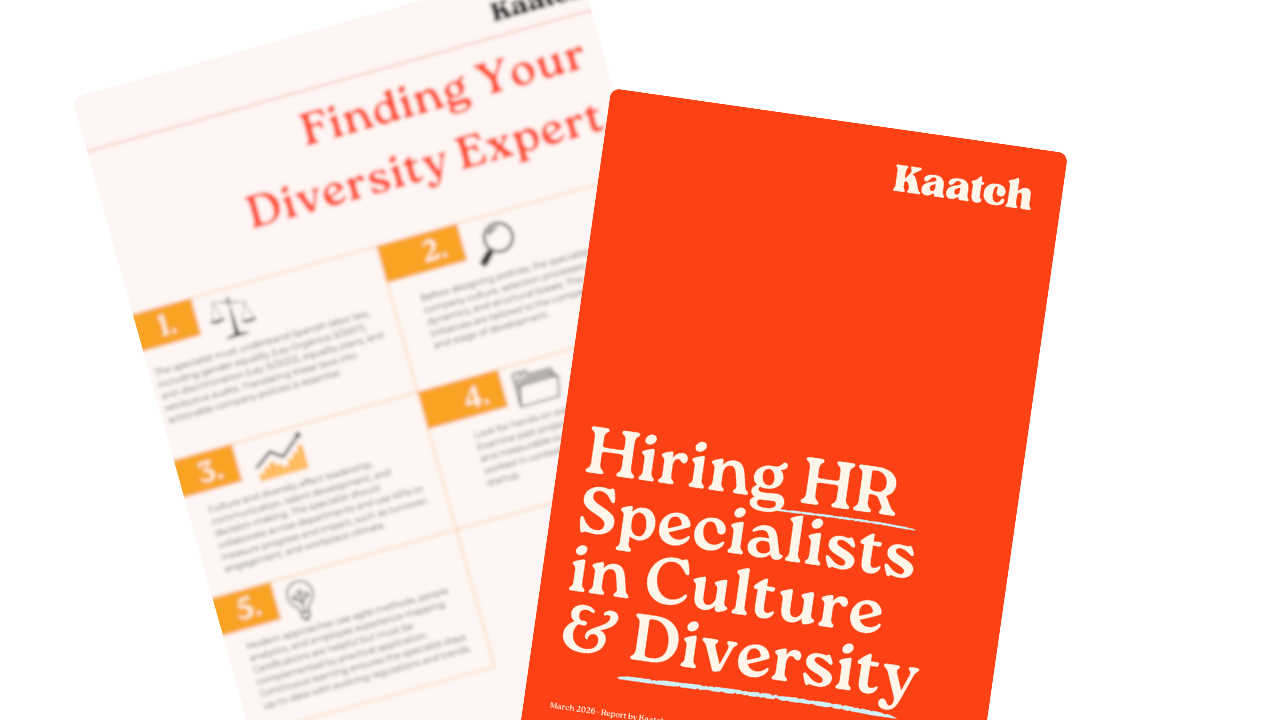
4. What to look for in a culture & diversity expert
When hiring, focus on:
- Experience applying European labor law in real contexts
- Ability to translate theory into actionable policies
- Experience in organizational diagnosis and people analytics
- Proven impact through KPIs (retention, engagement, etc.)
- Fit with SME or startup environments
Avoid candidates who are overly theoretical or lack hands-on implementation experience.